More than 125 women attended Phelps Memorial Health Center’s annual women’s health event, featuring presentations on mental health, lymphedema and lipedema.
Women spend much of their lives caring for others. Whether it’s family, friends or their communities, putting the needs of others first often comes naturally. But taking time to focus on their own health is just as important.That message helped set the tone for Phelps Memorial Health Center’s annual Positively Pink Women’s Health Series, held Wednesday, October 7, at the Holdrege Country Club.
More than 125 women attended the event, which combined health education, meaningful conversations and an opportunity to enjoy an evening with friends.Tesha Broadfoot, Chief Nursing Officer at Phelps Memorial Health Center, welcomed attendees and encouraged them to make their own health a priority.Broadfoot reminded the women that caring for themselves is not selfish, but essential. When women take care of their own health, they are better able to care for the people who depend on them.
The evening featured two healthcare professionals who addressed different but important women’s health concerns. Both presentations reinforced the value of recognizing symptoms, asking questions and seeking appropriate care.
When Swelling Is More Than Just Swelling
“Swelling is not always just swelling.”That was one of the key messages shared by Maddie Nitsch, occupational therapist with Phelps Memorial Therapy Services, during her presentation on lymphedema and lipedema.
Although the two conditions have similar names and can sometimes be confused, Nitsch explained that they are distinctly different and require individualized approaches to treatment and management.
Lymphedema occurs when the lymphatic system cannot effectively move fluid through the body, resulting in swelling that may affect the arms, legs or other areas. Symptoms may include heaviness, tightness, discomfort and changes in skin texture. The condition can develop following cancer treatment, surgery or radiation, although other causes are possible.
Lipedema is a chronic condition involving an abnormal accumulation of fatty tissue, most commonly in the legs and sometimes the arms. It can cause pain, tenderness and easy bruising and may be mistaken for ordinary weight gain or lymphedema.Both conditions can affect comfort, mobility and quality of life, making proper recognition and diagnosis important.
Nitsch discussed treatment options for lymphedema, including Complete Decongestive Therapy, which may involve compression garments or bandaging, specialized manual lymphatic drainage, therapeutic exercise and skin care.
She also addressed ways to help manage lipedema symptoms, including gentle exercise, appropriate compression and healthy eating patterns. Activities such as walking, yoga and aquatic exercise may be beneficial, depending on a person’s condition and abilities.
While these approaches can help manage symptoms, treatment is not the same for everyone. Nitsch emphasized that improvement often takes time, consistency and guidance from healthcare professionals familiar with the conditions.
Her message encouraged women to pay attention to changes in their bodies rather than dismissing persistent swelling, pain or discomfort. Early recognition and appropriate treatment can make a meaningful difference in managing these chronic conditions.
Making Mental Health a Priority
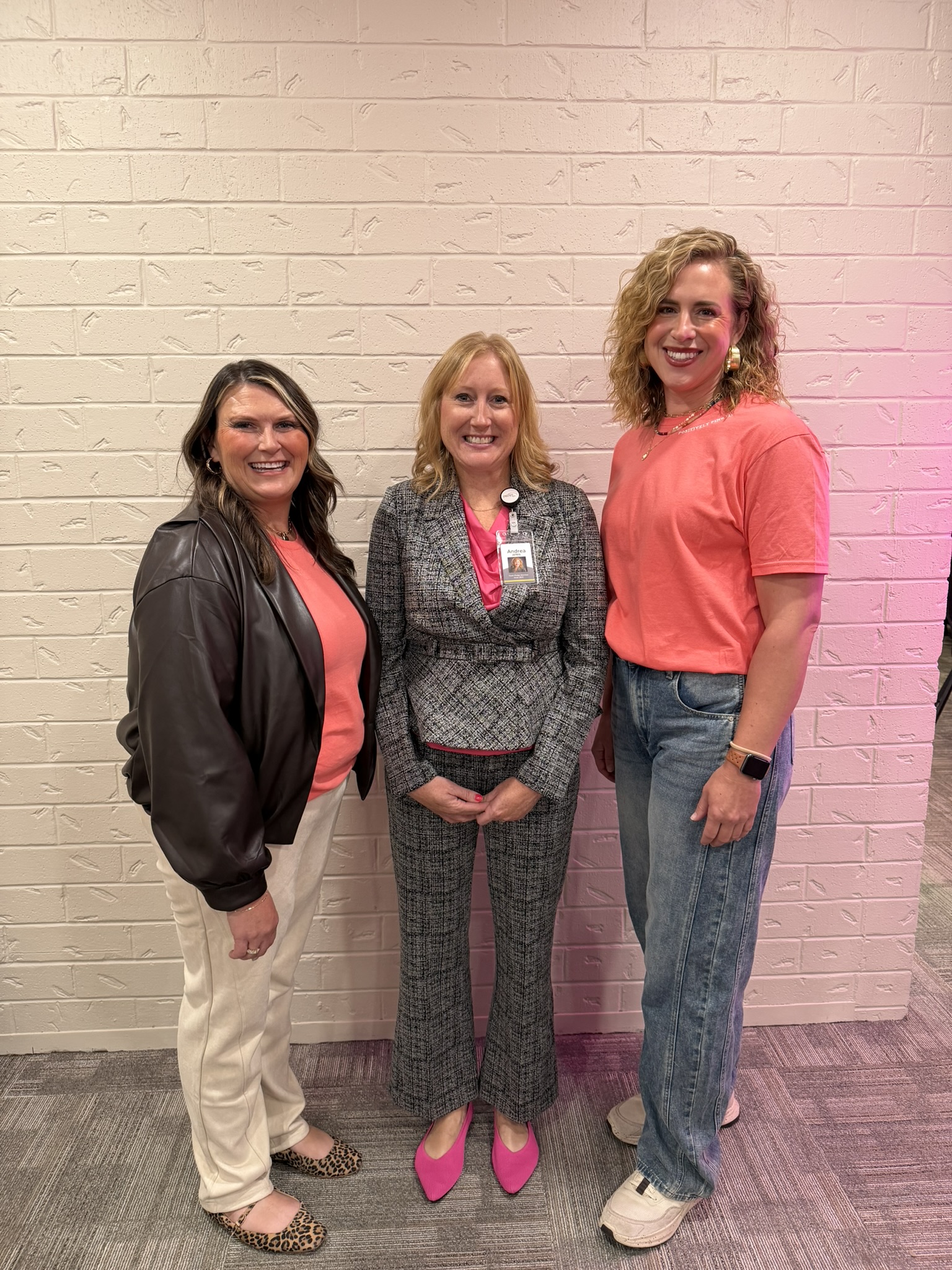
Andrea Rabe, APRN, a women’s health nurse practitioner who recently joined Phelps Medical Group, addressed another important aspect of overall wellness: women’s mental health.“Your mental health is part of your overall health,” Rabe told attendees.
She discussed how emotional well-being can be influenced by a combination of factors, including genetics, family history, life experiences, stress, hormonal changes and major life transitions.
For women, those transitions may include pregnancy, postpartum, perimenopause and menopause. Changing family responsibilities, caregiving demands, financial concerns and other pressures can add to the challenges women experience throughout their lives.
Rabe shared that some women come to her office describing significant changes in how they feel, sometimes questioning whether their symptoms are normal. I’ve had women say “I feel like I’m going crazy”. Hormonal fluctuations, particularly during perimenopause and menopause, can affect mood and emotional well-being. However, she emphasized that persistent symptoms should not automatically be dismissed as everyday stress or simply part of getting older.
Rabe encouraged attendees to recognize warning signs, including prolonged feelings of sadness or hopelessness, unusual anxiety, irritability, changes in sleep or energy, loss of interest in activities and difficulty managing everyday responsibilities.
She also discussed ways women can help protect their mental health, including maintaining supportive relationships, prioritizing sleep, setting healthy boundaries and making time for activities that provide enjoyment and purpose.Perhaps most importantly, Rabe reminded attendees that women do not have to manage mental health challenges alone.
“As healthcare providers, we want you to feel comfortable bringing these concerns to us,” she said. Rabe emphasized that seeking mental health support is not a sign of weakness or failure.“You never have to prove your symptoms are bad enough to deserve support,” she told attendees.
Seeking mental health care is just as important as seeking treatment for any other medical condition. Whether through counseling, medication or a combination of approaches, support can be tailored to each woman’s individual needs.
Education, Connection and a Little Fun
In addition to the featured presentations, attendees had opportunities to visit four educational booths highlighting Cardiology, Oncology, Imaging/Cancer Prevention and Phelps Medical Group’s women’s health and mental health services.
Healthcare professionals were available to answer questions, share information and discuss services available close to home. The informal setting encouraged conversations about prevention, early detection and the importance of taking an active role in personal health.The evening also included some special touches designed to make Positively Pink an enjoyable experience.
Attendees created personalized purse charms using beads, ribbons and decorative accessories at a charm bar. Specialty dirty sodas from Rose and Co., delicious appetizers and time spent visiting with friends. The social atmosphere gave women an opportunity to visit with friends and connect with others.
For returning attendees, the combination of relevant health topics and thoughtful activities has become part of the event’s appeal.Vicki Peterson, Bertrand, said she’s attend the event for the past 5 years. She said, “Every year, I’m impressed with the topics they choose. I always learn something valuable, and they make the evening so enjoyable with all the little extras. It’s something I really look forward to attending.”
While the evening included education, conversation and plenty of opportunities for fun, its purpose extended beyond a single event.The messages shared by Nitsch and Rabe reinforced something every woman can benefit from remembering: pay attention to your body, recognize changes in your physical and emotional well-being, and don’t hesitate to ask questions or seek care.
After all, making time for your own health isn’t selfish. It’s essential.